Product Description
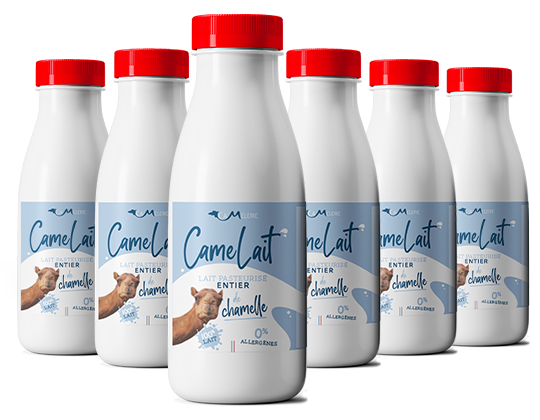
Pasteurized camel milk is presented in a fluid, homogeneous form, ready to be consumed or used in your usual culinary preparations.
It is obtained through pasteurization, a heat treatment process designed to:
-
reduce microbial load,
-
ensure food safety,
-
extend shelf life while respecting proper storage practices.
This milk can be used as a staple food, in recipes or culinary preparations, according to individual tastes and needs.
Production Process: Pasteurization
Pasteurization involves heating the milk to a controlled temperature for a defined period, ensuring microbiological safety while preserving its organoleptic properties (taste, texture) as much as possible.
At La Camelerie:
-
pasteurization is carried out immediately after milk collection,
-
facilities are certified according to European standards,
-
each batch undergoes strict traceability and compliance checks.
Usage and Storage Instructions
To fully enjoy pasteurized camel milk:
-
keep it refrigerated (between 0 °C and 4 °C),
-
respect the “best before” date on the packaging,
-
after opening, consume within the recommended number of days.
This product can be used:
-
as is,
-
in beverages or culinary recipes,
-
as a nutritious ingredient in various preparations.
General Characteristics & Composition
Pasteurized camel milk naturally contains:
-
proteins,
-
fats,
-
lactose,
-
vitamins and minerals in variable amounts,
-
and other biological components specific to this animal milk.
Nutritional composition depends on multiple factors (animal diet, lactation stage, etc.) and is described in detail in our Camel Milk Nutritional Composition section.
Regulatory Information & Food Safety
This pasteurized milk is produced, processed, and marketed in strict compliance with current European Union health regulations and traceability procedures defined by our certification.
Pasteurization is a recognized process for ensuring the food safety of dairy products. As a food item, pasteurized camel milk is intended for regular consumption as part of a varied and balanced diet.
Food Positioning
Pasteurized camel milk is a dairy product offered as an original dietary alternative. It reflects a commitment to quality, traceability, and control of production processes, without recipes, claims, or health promises.
For more information on the specifics of camel milk, its composition, and scientific insights, see our article: “What Does Science Say?”
Average Composition – Pasteurized Camel Milk
(Indicative values for 100 ml of reconstituted milk)
| Nutritional Component | Average Value |
|---|---|
| Energy | ~60–70 kcal |
| Water | ~87–89 g |
| Proteins | ~3.0–3.5 g |
| Fats | ~3.0–4.0 g |
| Carbohydrates (lactose) | ~4.0–5.0 g |
| Calcium | ~110–130 mg |
| Potassium | ~140–160 mg |
| Phosphorus | ~90–110 mg |
| Iron | ~0.2–0.4 mg |
| Vitamin C | ~3–5 mg |
Indicative average values from scientific literature. Composition may vary depending on animal diet, lactation stage, and production conditions. This data is provided for information purposes and does not constitute a nutritional or health claim.
Values represent averages derived from scientific literature and available analytical data. They are provided for informational purposes and may vary depending on production, processing, and fermentation conditions.
This information does not constitute a nutritional recommendation or health claim.
| Poids | 520 g |
|---|