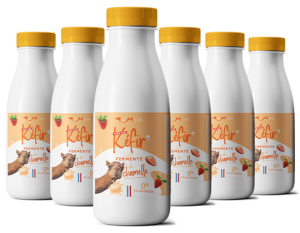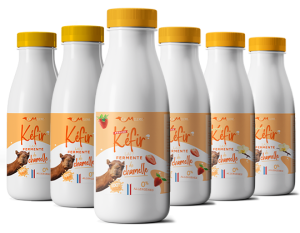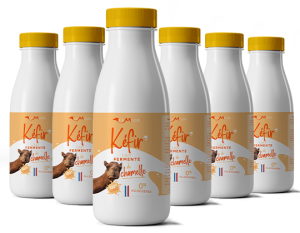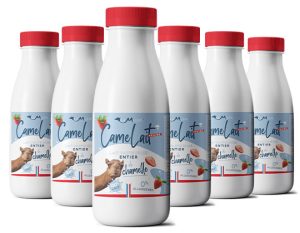
Fermentation Process
Camel milk kefir is produced through a lactic fermentation process, which involves the action of specific microbial cultures (lactic ferments and yeasts), leading to the development of textures, aromas, and sensory characteristics typical of fermented products.
This process is carried out under hygienic and safety conditions in compliance with European health standards, with particular attention to:
-
the control of fermentation strains,
-
traceability,
-
microbiological stability of the finished products.
Usage and Storage Instructions
How to Use
Camel milk kefir can be consumed:
-
as is, chilled or at room temperature,
-
alongside meals,
-
incorporated into culinary recipes according to your taste.
It can also be mixed with fruits, cereals, or plant-based beverages to create a variety of preparations.
Storage
-
Keep refrigerated (between 0 °C and 4 °C) before opening;
-
Respect the “best before” date on the packaging;
-
After opening, consume within the recommended number of days.
General Characteristics & Composition
Camel milk kefir is a product derived from the fermentation of camel milk. Its composition naturally includes:
-
components of camel milk,
-
fermentation products (including certain molecules formed during the process, responsible for sensory characteristics).
As with any food product derived from agricultural raw materials, composition may vary depending on:
-
production batches,
-
fermentation conditions,
-
raw materials used.
Regulatory Information & Food Safety
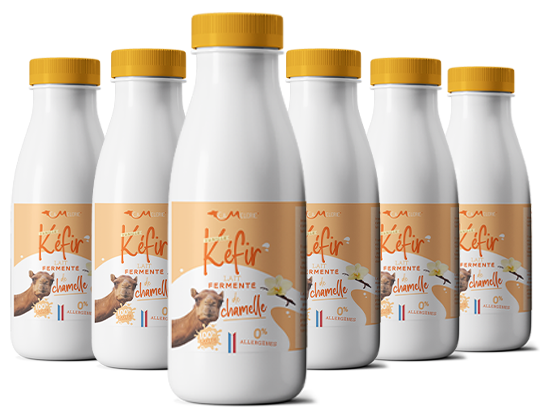
The Kefir Discovery Pack is produced, processed, and marketed in strict compliance with current European Union health regulations and traceability requirements applicable to fermented foods.
Fermentation is a traditional food process, controlled under hygiene and safety standards to ensure product quality.
This product is intended for regular consumption as part of a varied and balanced diet.
Food Positioning
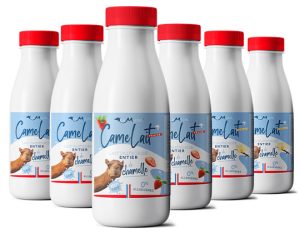
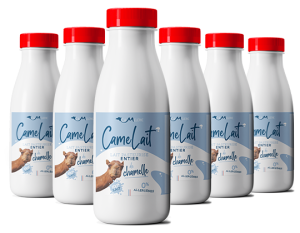
The Kefir Discovery Pack is offered as a fermented food product, allowing exploration of different forms and textures of camel milk kefir.
It reflects a commitment to quality, controlled processes, and diverse uses, without health claims or assertions of specific effects.
For more information on camel milk characteristics, fermentation, and scientific insights, see the “Nutritional Composition” and “What Does Science Say?” sections on our website.
Average Composition – Camel Milk Kefir
(Indicative values per 100 ml)
Note: Kefir is a fermented product, therefore:
-
lactose is partially transformed
-
slight variations may occur depending on fermentation
-
contains compounds formed during fermentation (not specified)
| Nutritional Component | Average Value |
|---|---|
| Energy | ~45–60 kcal |
| Water | ~88–90 g |
| Proteins | ~3.0–3.5 g |
| Fats | ~2.5–3.5 g |
| Carbohydrates (including residual lactose) | ~2.5–4.0 g |
| Calcium | ~100–120 mg |
| Potassium | ~130–150 mg |
| Phosphorus | ~80–100 mg |
| Iron | ~0.2–0.3 mg |
Essential Note:
Product derived from camel milk fermentation. Values may vary depending on fermentation duration and conditions. Data provided for informational purposes only, without nutritional or health claims.
The values represent averages from scientific literature and available analytical data. They are provided for informational purposes and may vary depending on production, processing, and fermentation conditions.
This information does not constitute a nutritional recommendation or health claim.
| Poids | 535 g |
|---|